
Coloring Pages / Dinosaur:
Free Printable Dinosaur Coloring Pages, Sheets and Pictures for Adults and Kids (Girls and Boys)
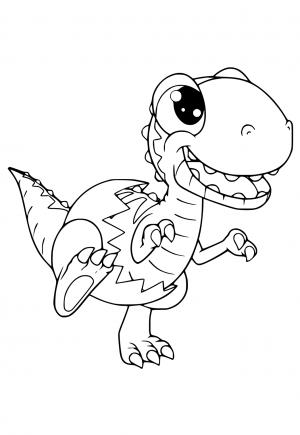
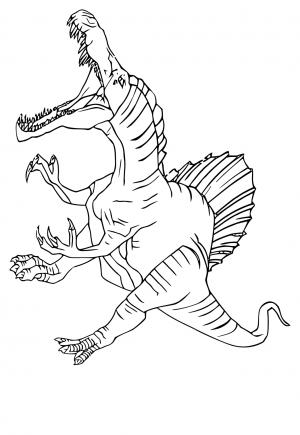
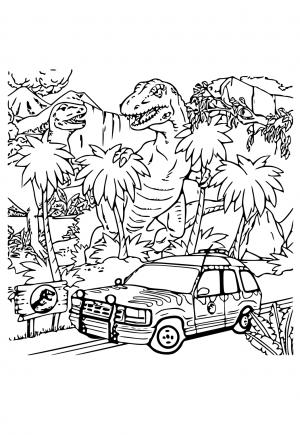
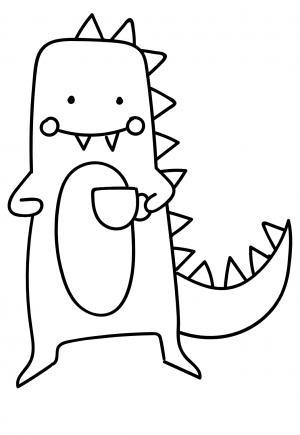
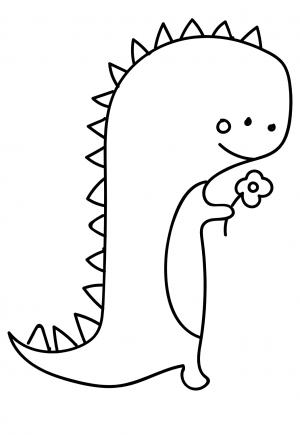
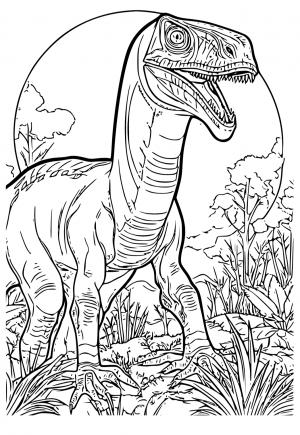
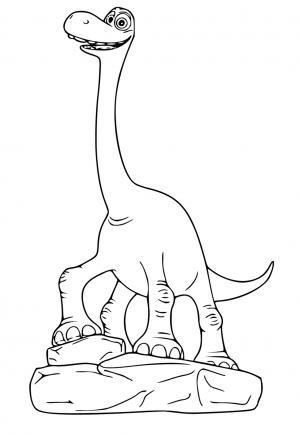
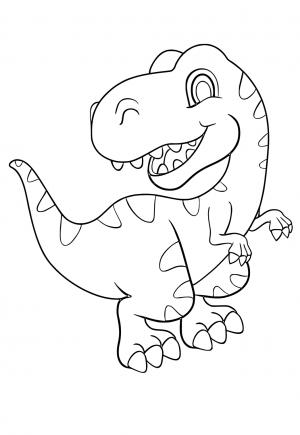
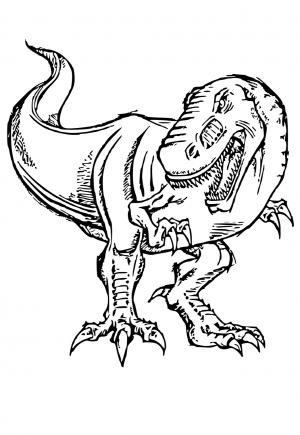
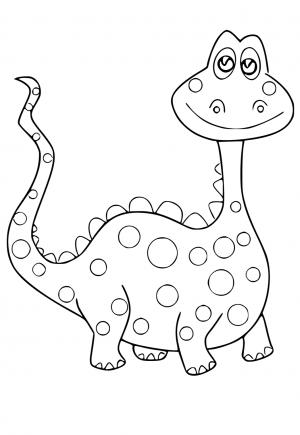
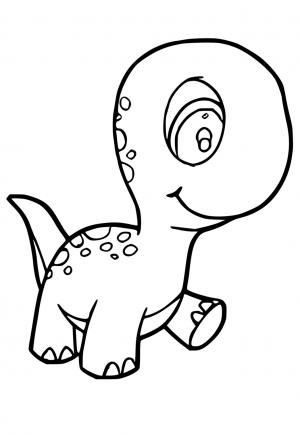
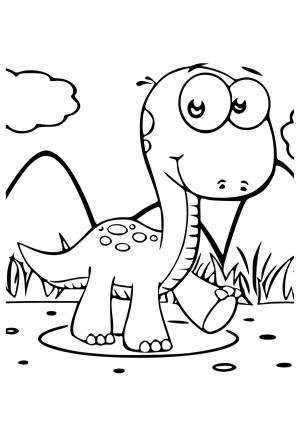
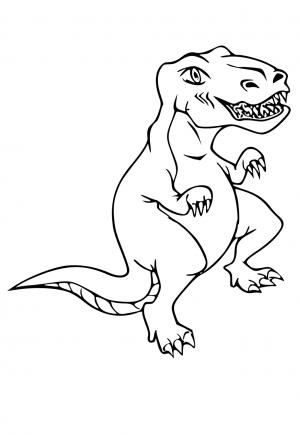
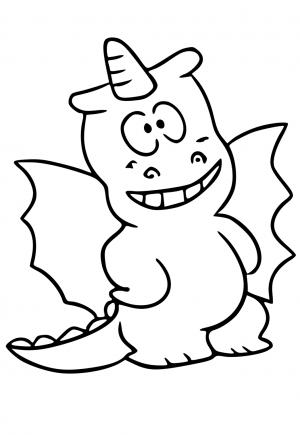
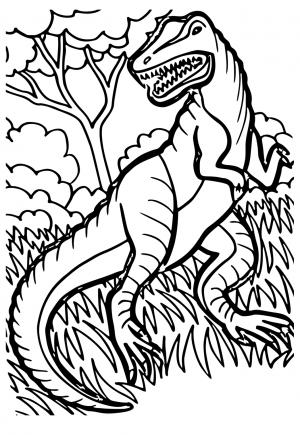
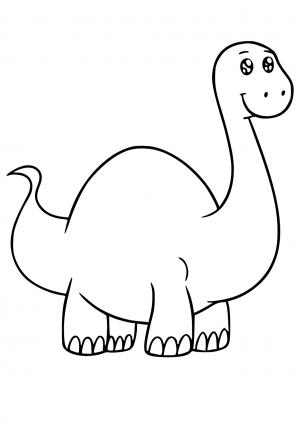
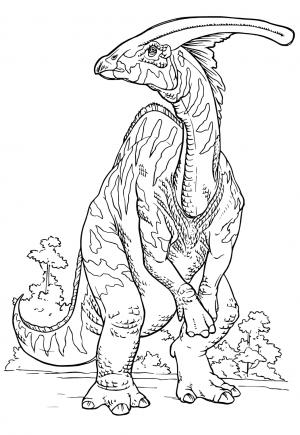
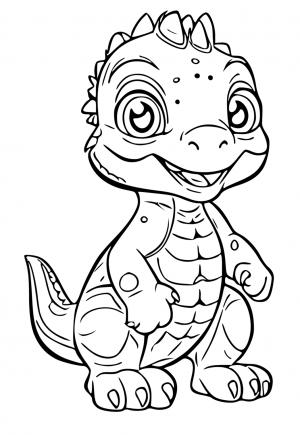
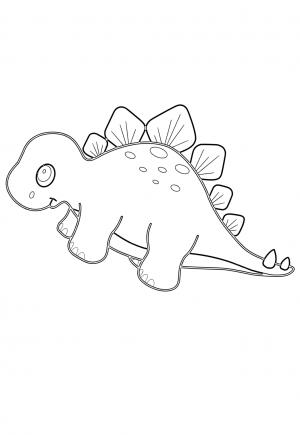
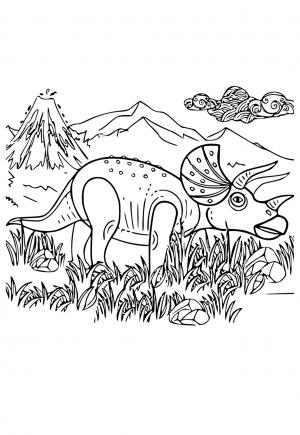
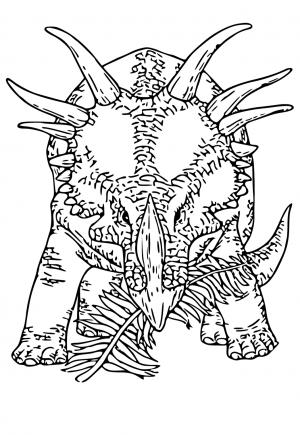
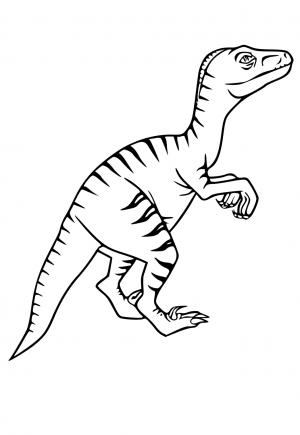
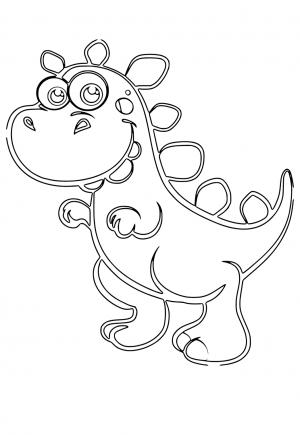
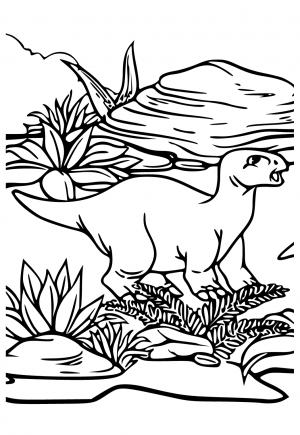
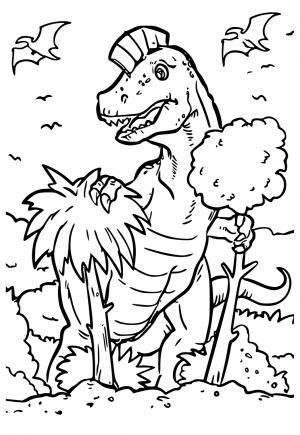
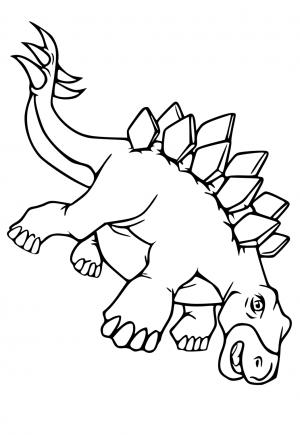
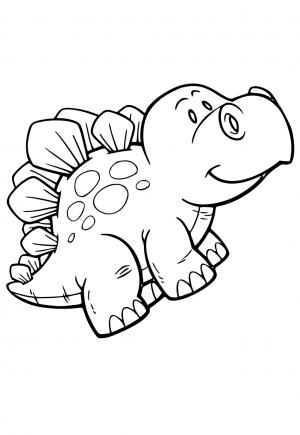
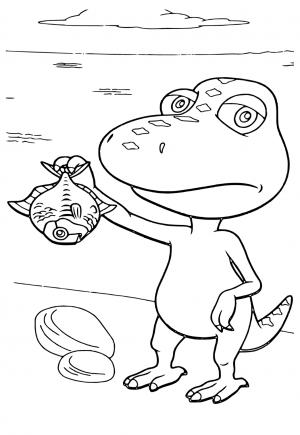
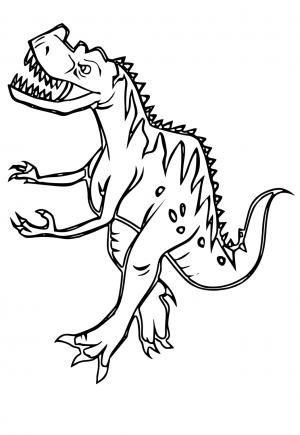
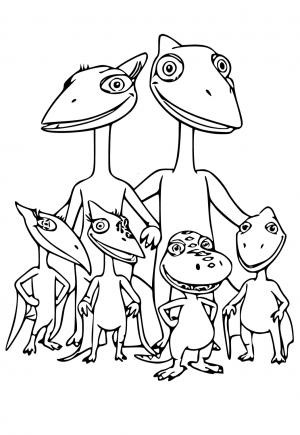
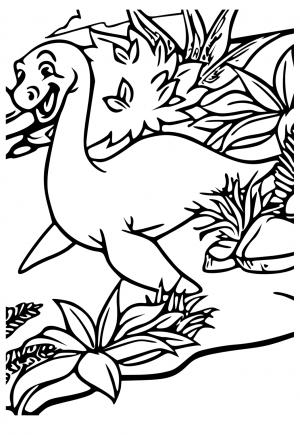
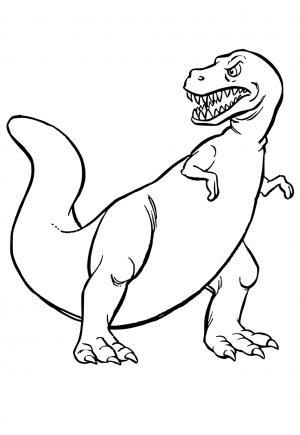
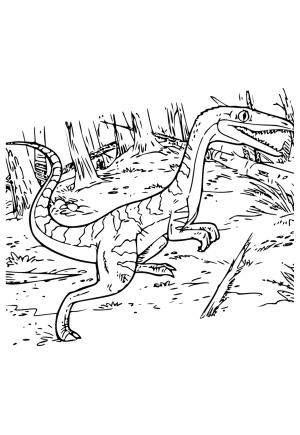
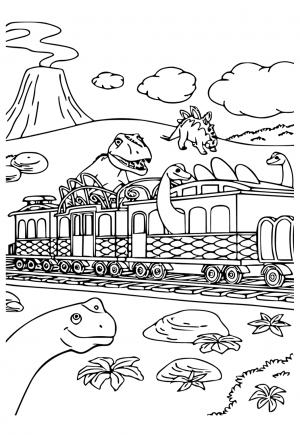
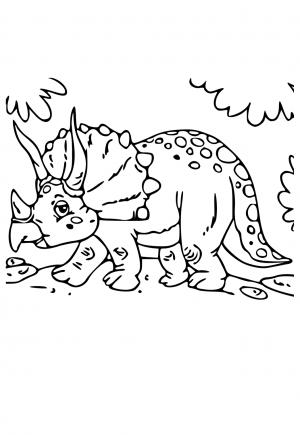
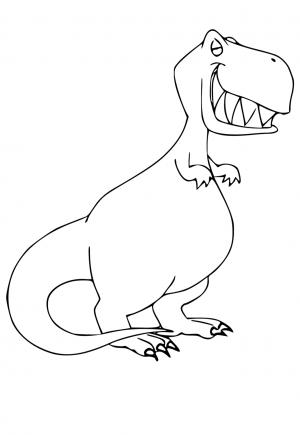
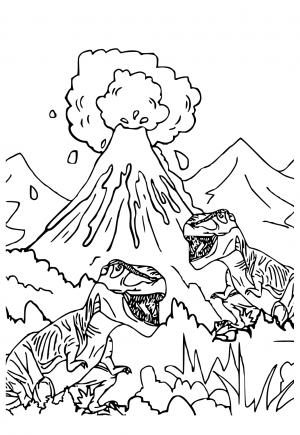
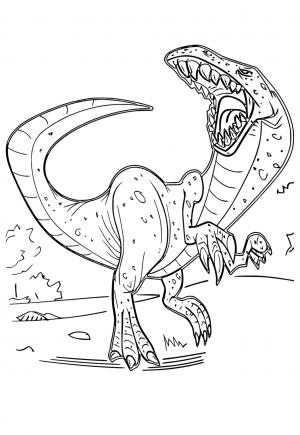
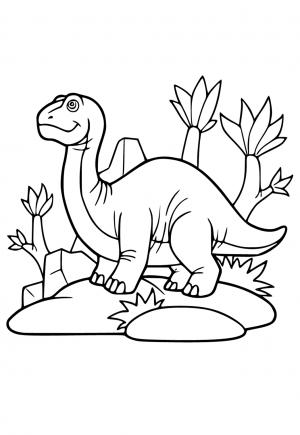
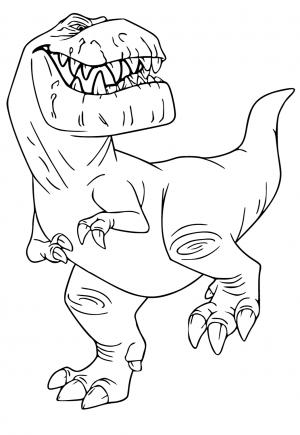
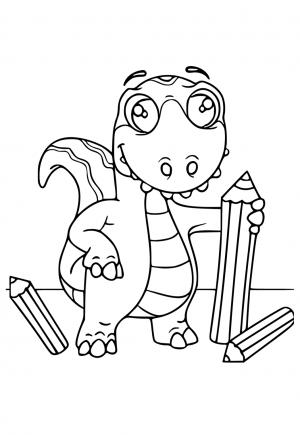
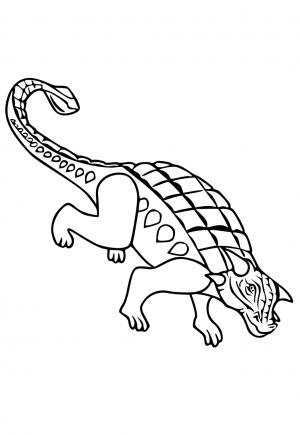
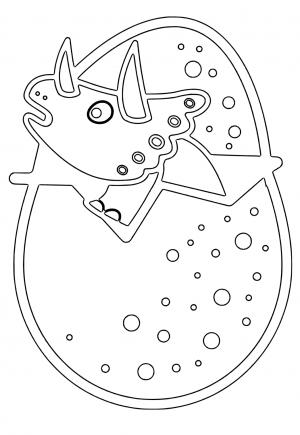
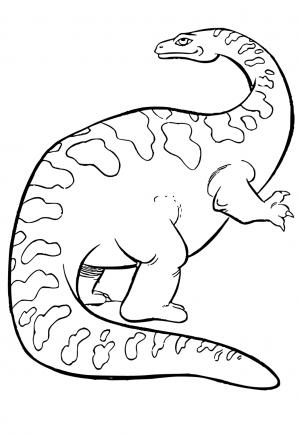
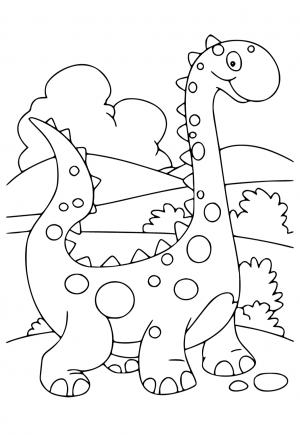
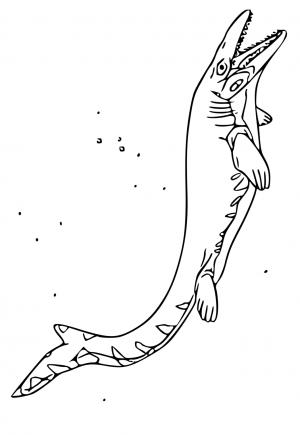
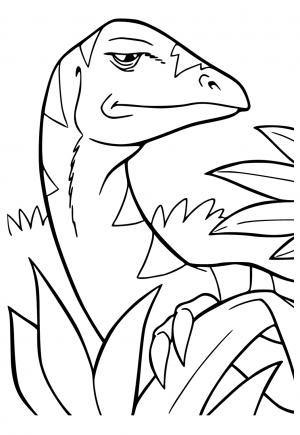
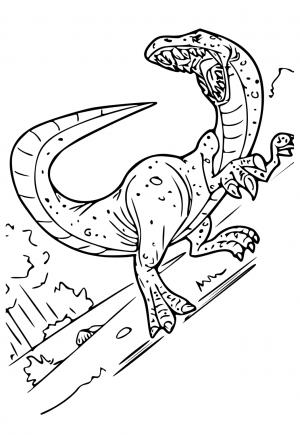
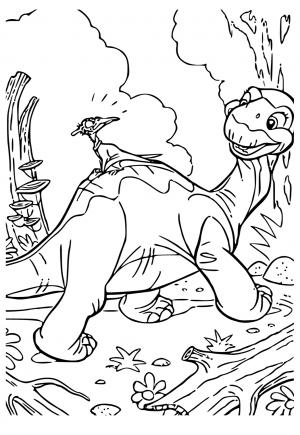
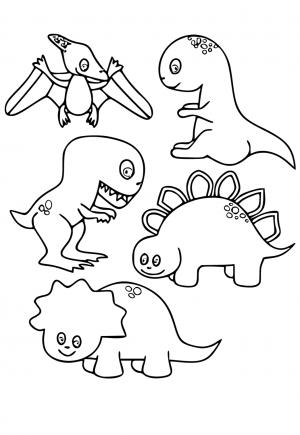
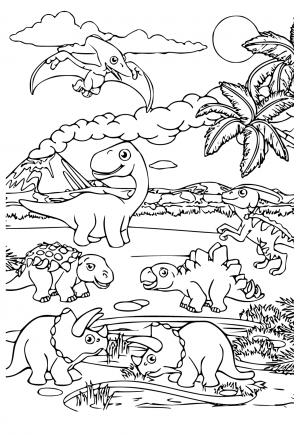
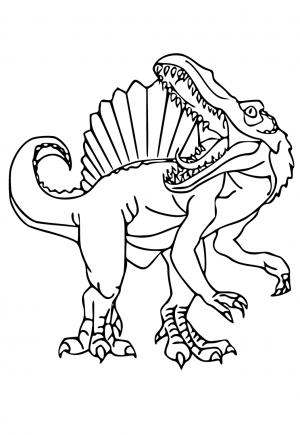
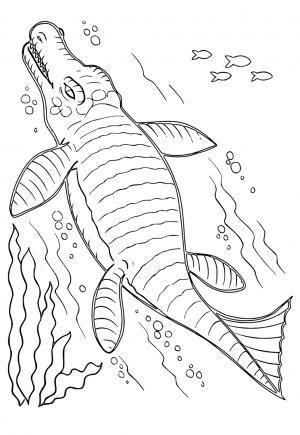
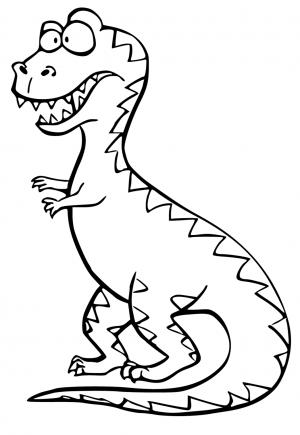
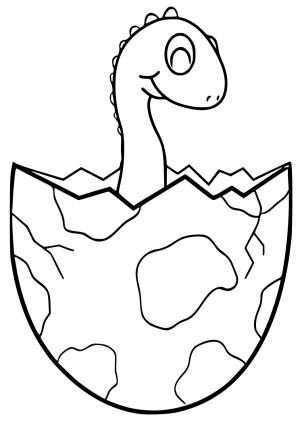
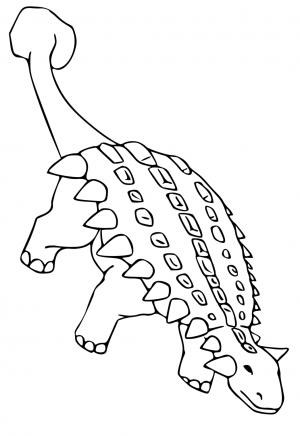
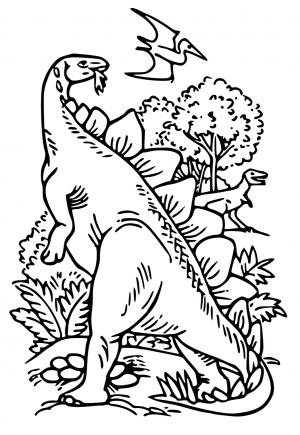
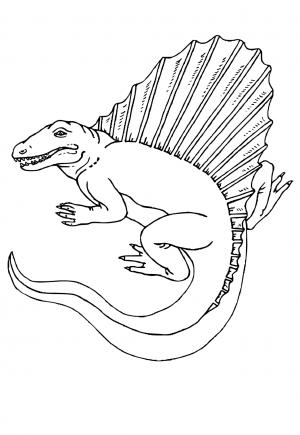
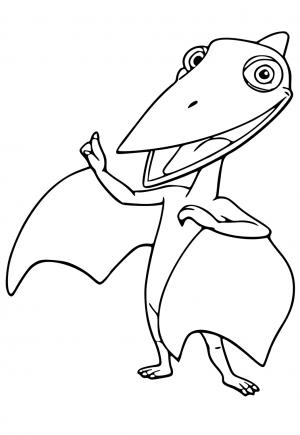
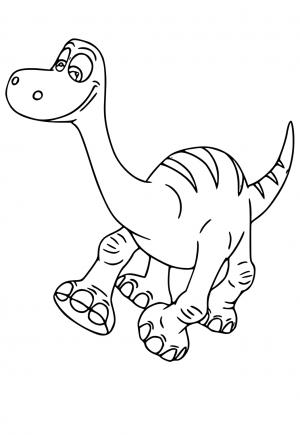

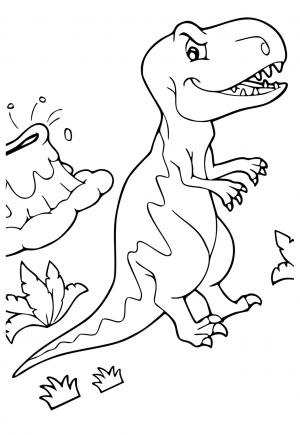
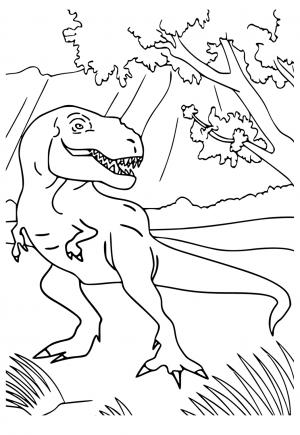
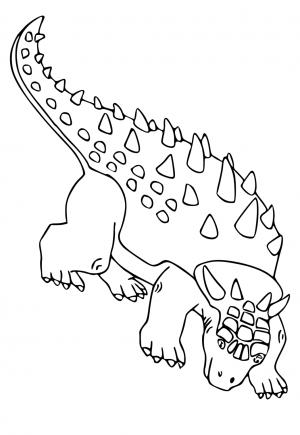
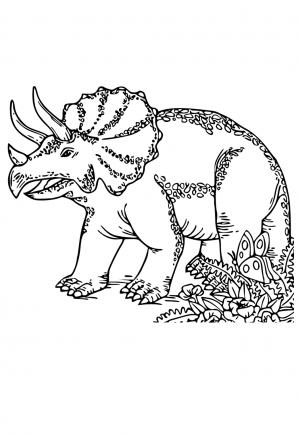
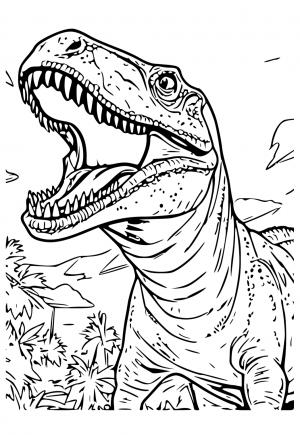
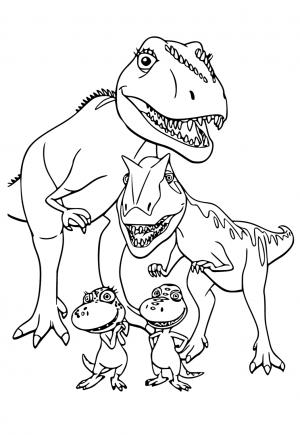
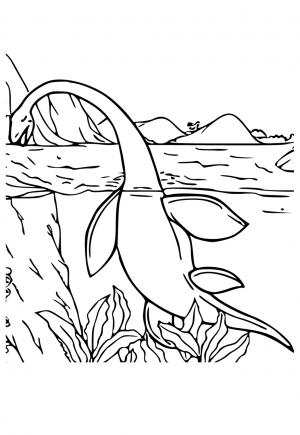
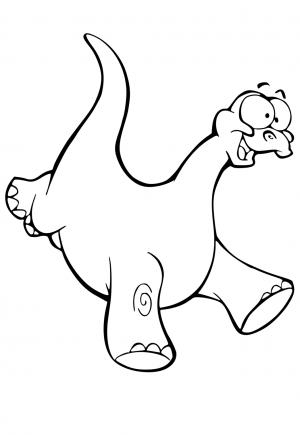
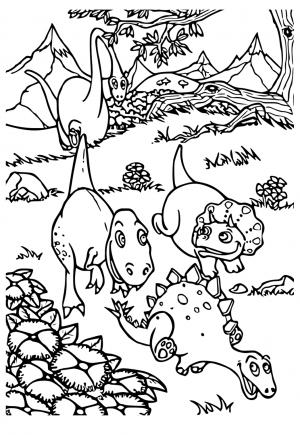
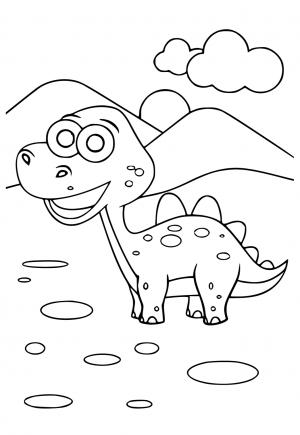
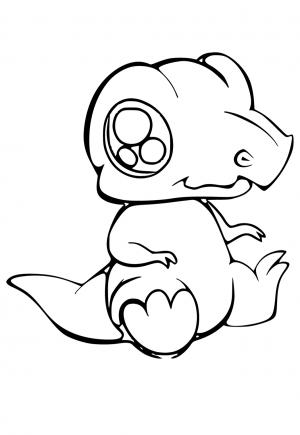
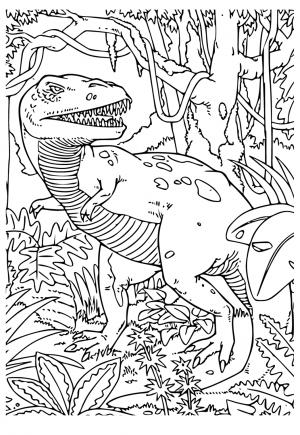
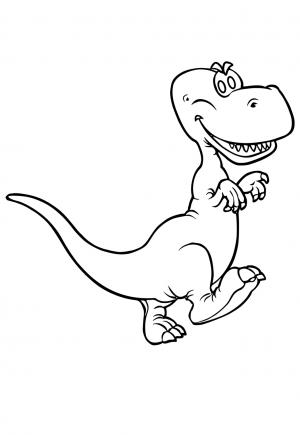
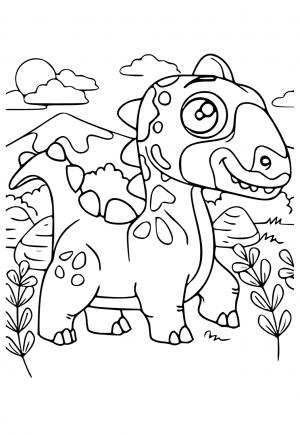
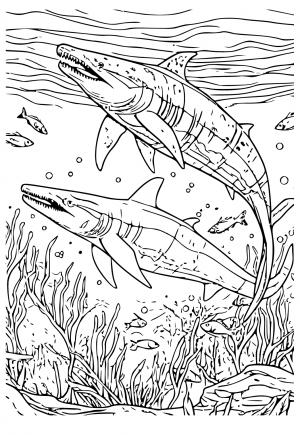
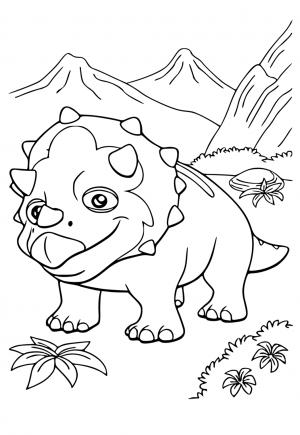
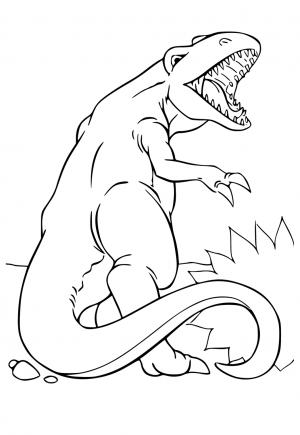
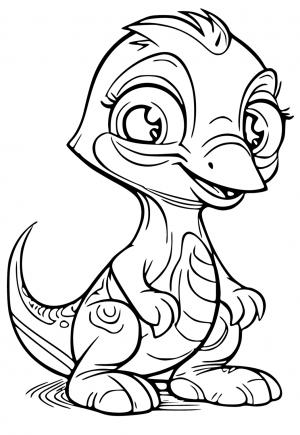
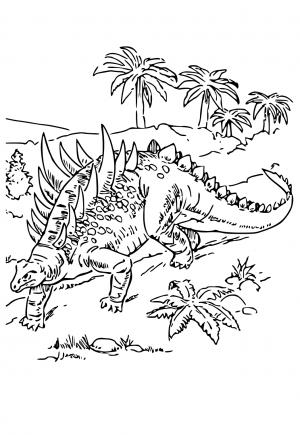
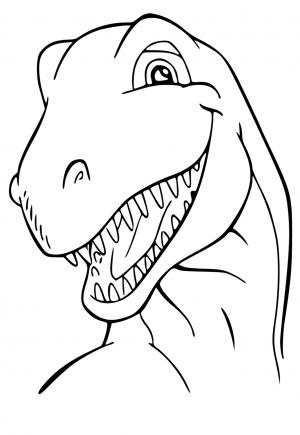
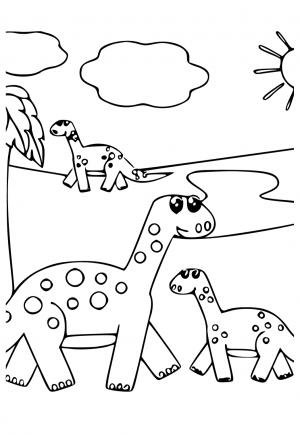
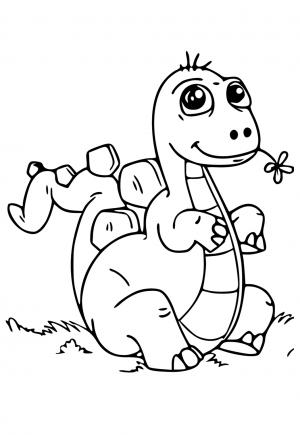
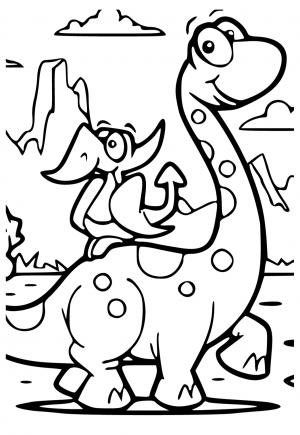
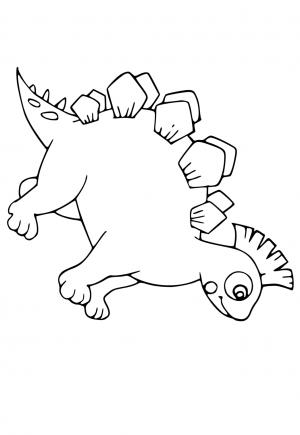
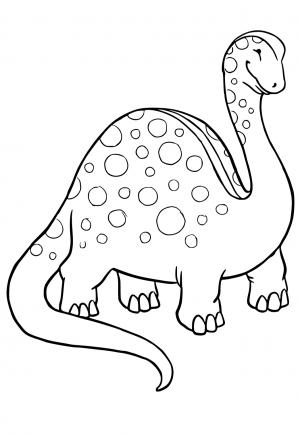
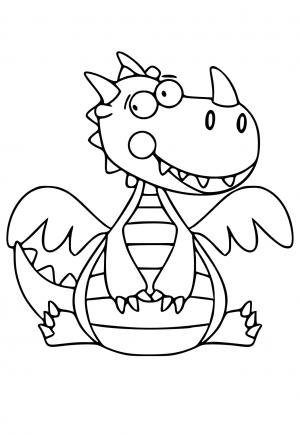
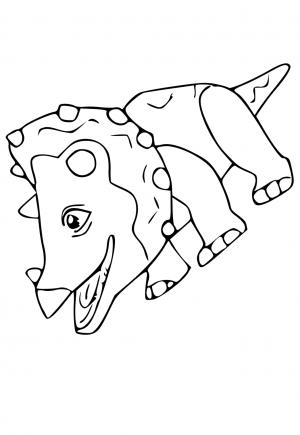
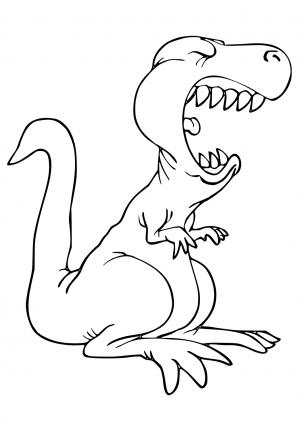
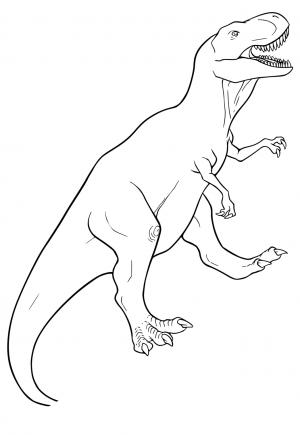
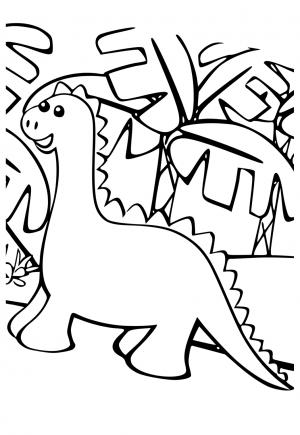
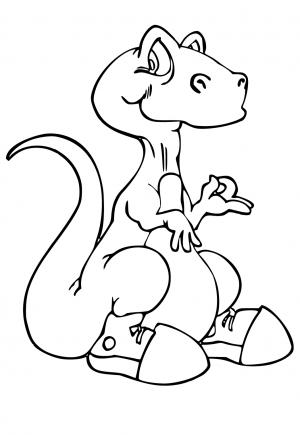
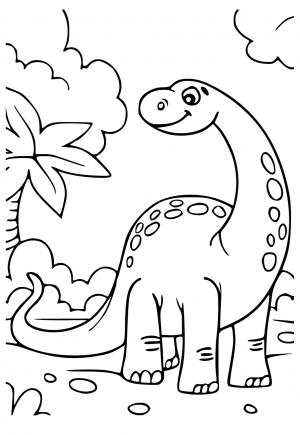
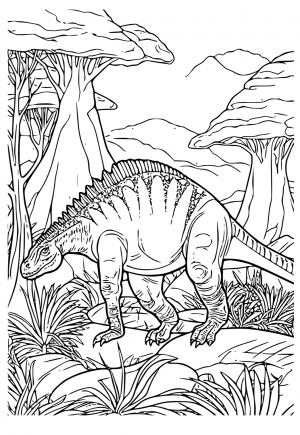
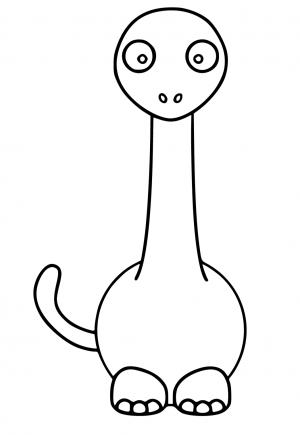
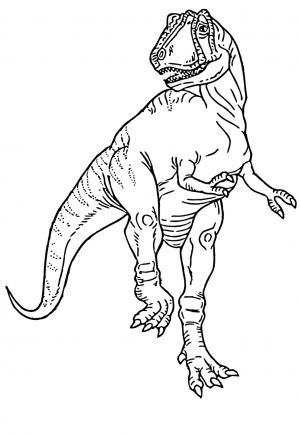
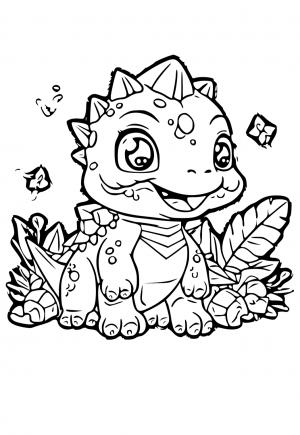
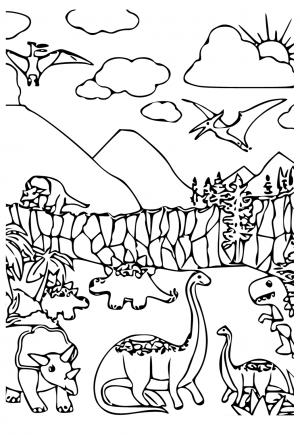
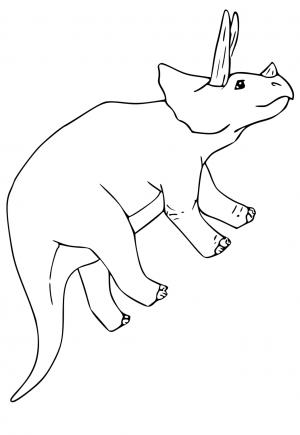
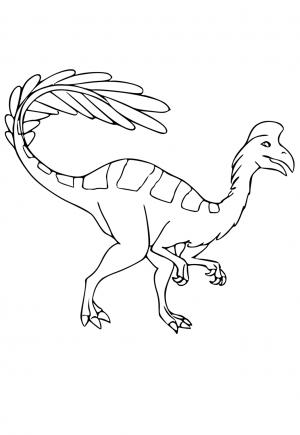
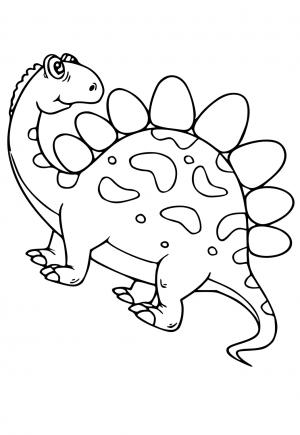
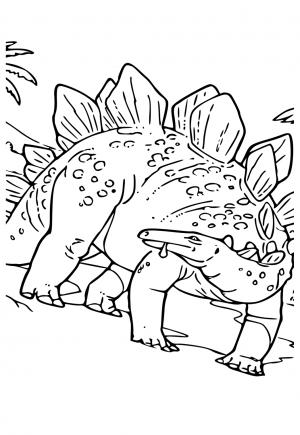
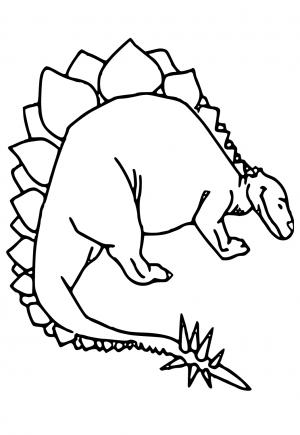
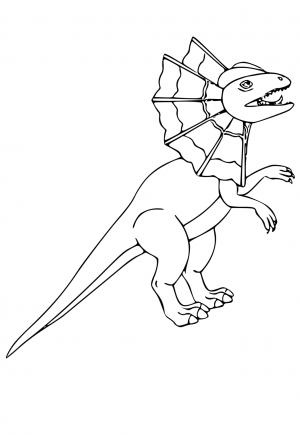
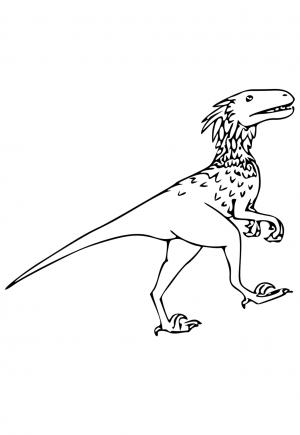
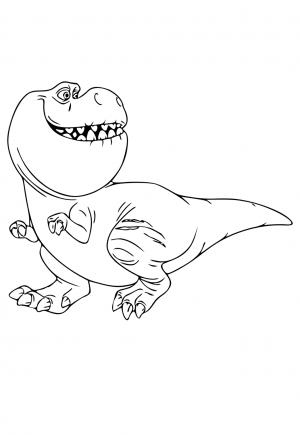
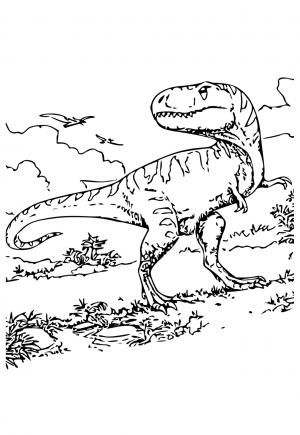
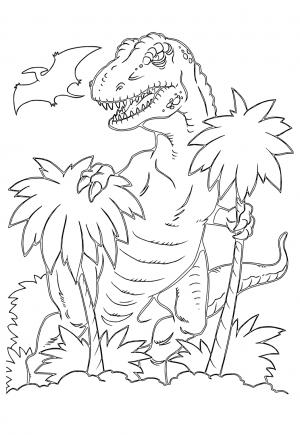
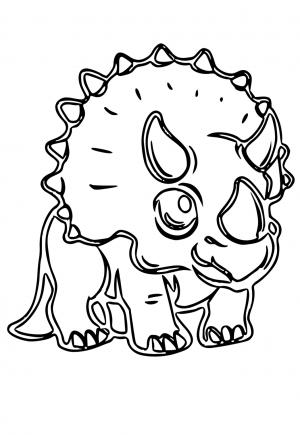
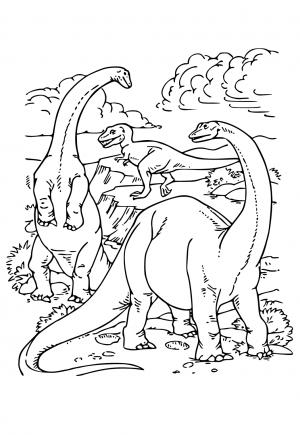
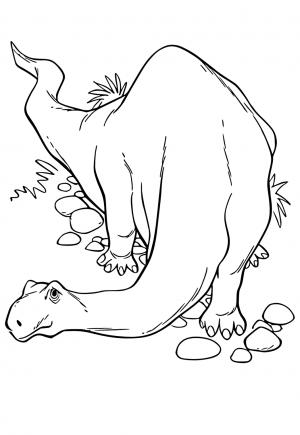
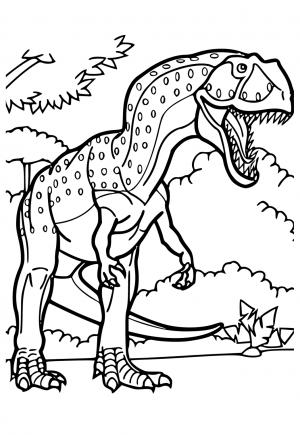
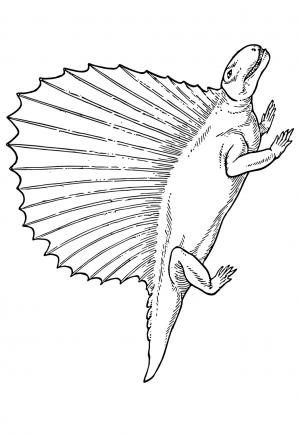
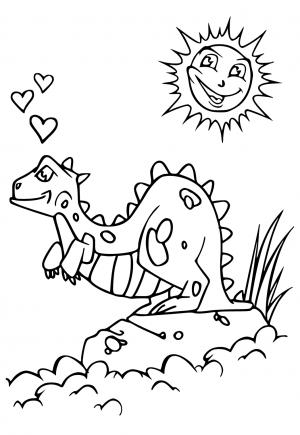
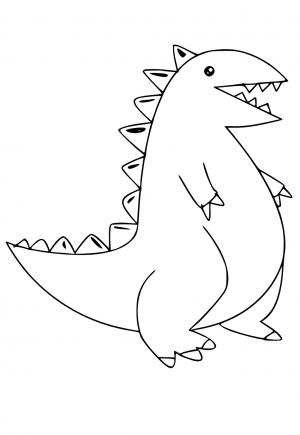
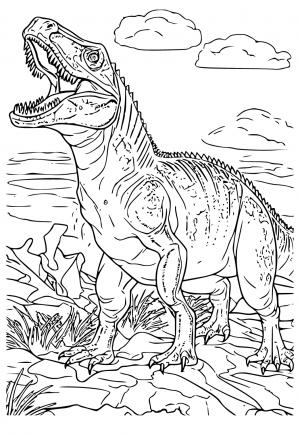
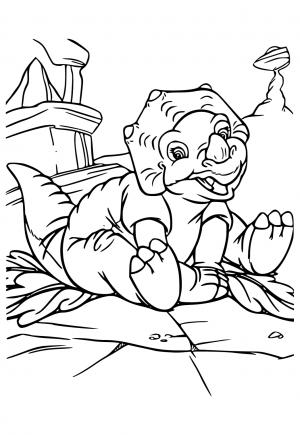
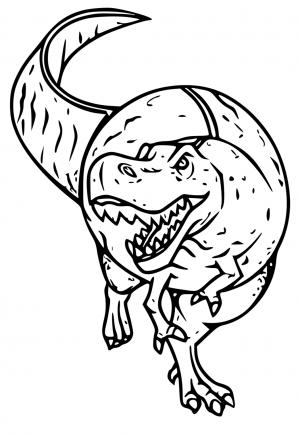
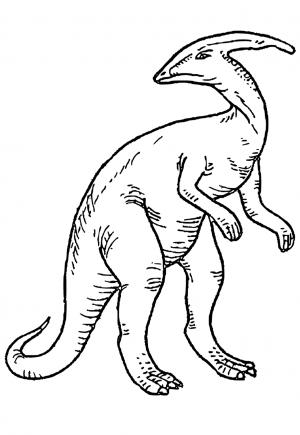
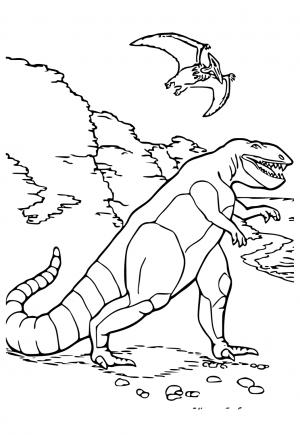
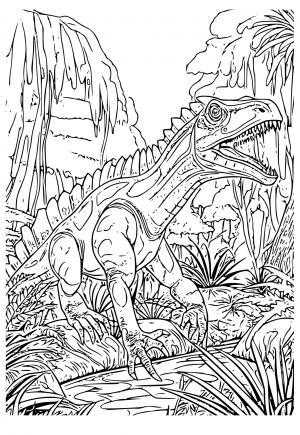
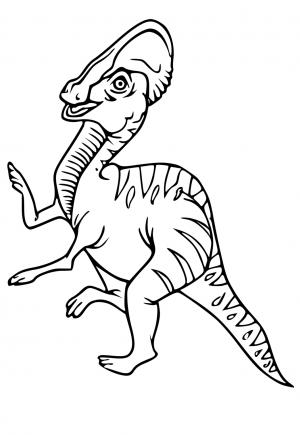
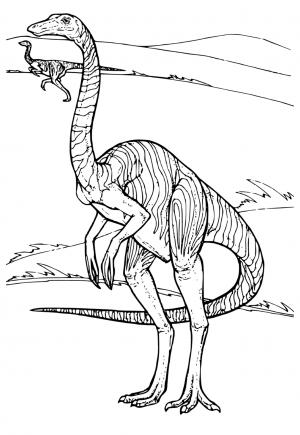
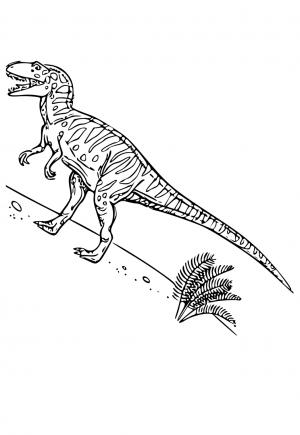
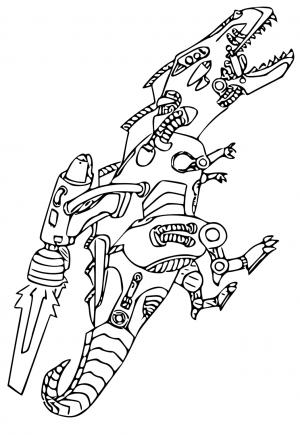
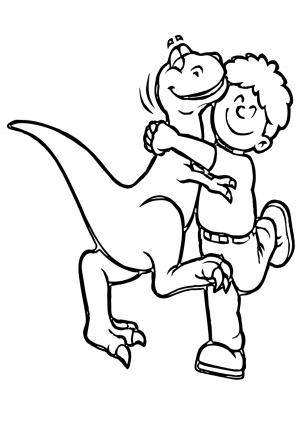
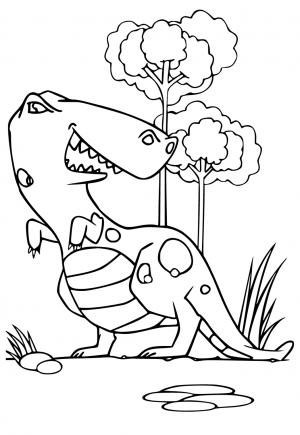
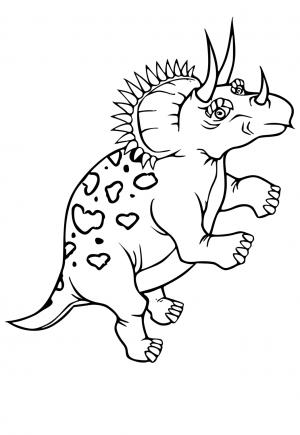
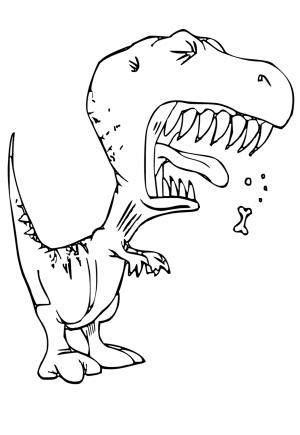
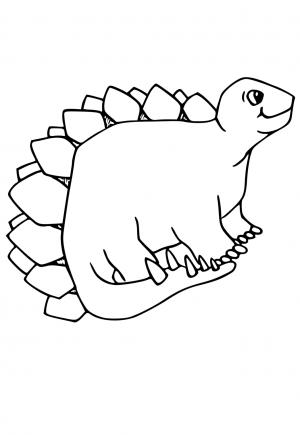
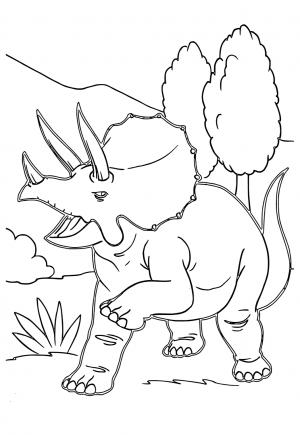
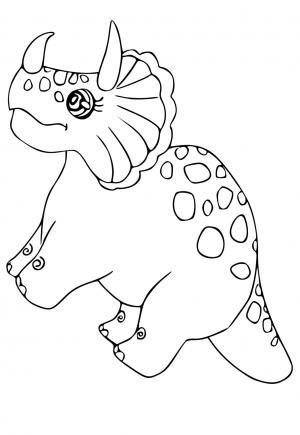
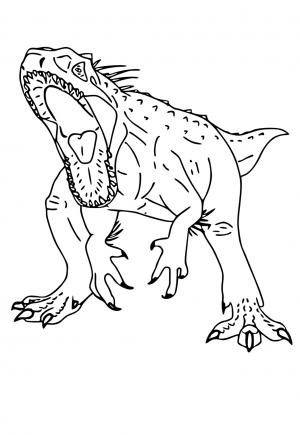
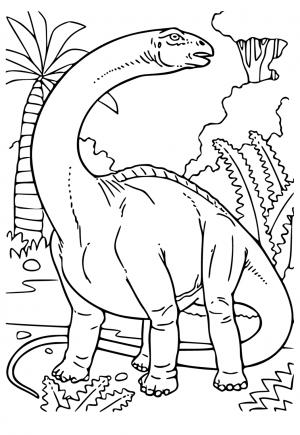
Free Printable Dinosaur Coloring Pages. Sheets, illustrations, black and white pictures, clipart, line art and detailed drawings. It is for all ages! For kids and adults, boys and girls, teenagers and toddlers, seniors, preschoolers and kids at school. Here you will find hard and advanced patterns or simple and easy outlines. You can print them right here!
Engaging in creative activities, including coloring, is an incredibly therapeutic and calming pursuit that not only provides unmatched stress relief but also actively encourages a deep sense of tranquility, appealing to individuals of varied age groups. The captivating and rhythmic process involved in these creative endeavors transcends mere hobbies, effectively diminishing stress levels and easing anxiety, all the while nurturing and enhancing one's inherent creativity and refining their artistic skills.
Furthermore, the advantages of creative engagement, such as coloring, reach beyond the personal sphere, creating a distinctive and invaluable opportunity for communal interaction. Participating in these creative pursuits, including coloring, has the remarkable ability to unite people, fostering a sense of connection and shared experiences that contribute to the development of enduring social bonds.
Our platform is wholeheartedly dedicated to the noble mission of spreading positivity and establishing a virtual haven that serves as a constant source of inspiration and joy, including through coloring. As a valued member of our dynamic community, your active involvement, whether in coloring or other creative activities, plays a pivotal role in cultivating an atmosphere that exudes positivity and encourages creativity.
We express our sincere gratitude for your continuous presence in our community, and it is our earnest wish that your ongoing experiences within this uplifting environment, enriched by coloring and other creative pursuits, continue to bring boundless joy and inspiration into your life!
English | Deutsch | Français | Italiano | Español | Nederlands | Svenska | Polski | 日本語 | Português | Suomi | Dansk | Norsk | ไทย | Ελληνικά | Hrvatski | Magyar | Bahasa Melayu | Čeština | Türkçe | 한국어 | Indonesia | Română | Български | Slovenčina | Slovenščina | Việt | Lietuvių | Українська | Русский | עברית | العربية